

Socra Blog

Who You Become, and Who Shows Up, After Cancer
Cancer doesn't only change the body. For a lot of people, it reorganises the whole shape of a life, what matters, how time gets spent, and sometimes, painfully, who's actually there when things get hard. These two kinds of change, becoming someone slightly different and discovering who's really in your corner, often happen at the same time, and each brings its own grief.
Cancer doesn't only change the body. For a lot of people, it reorganises the whole shape of a life, what matters, how time gets spent, and sometimes, painfully, who's actually there when things get hard. These two kinds of change, becoming someone slightly different and discovering who's really in your corner, often happen at the same time, and each brings its own grief.
When the Old Life No Longer Fits
Some people come out the other side of treatment and realise the life they had before doesn't fit anymore. The pace was too fast. The priorities were wrong. The job, the relationships, the daily habits were all built around a version of themselves that no longer feels accurate. This can bring real relief, a sense of finally living more honestly, but it also brings loss. The old life, even the parts that weren't working, was familiar. Letting it go and building something new in its place, rather than simply returning to what was there before, is its own kind of grief work, even when the new life turns out to be better.
Finding Out Who's Actually There
For some people, a cancer diagnosis becomes the moment they find out, often for the first time, exactly who they can rely on. This can be devastating for people who grew up with family relationships that were difficult or neglectful, where mistreatment felt normal simply because it was familiar. A diagnosis that should have brought support instead reveals its absence: no calls, no visits, no one showing up to a single appointment. For someone who has spent a lifetime assuming that's just how family works, this can be the first undeniable evidence that it was never actually normal, and that recognition, as clarifying as it can be, is also a loss.
Grieving What You Thought You Had
This kind of realisation often connects to beliefs that were formed long before the diagnosis, about how much support a person is allowed to expect, or whether they're the kind of person others show up for. A cancer diagnosis can put those old beliefs to a very direct test. Sometimes the test confirms what was already quietly suspected. What gets grieved in that case isn't really the cancer. It's the family, or the version of family, that was never actually there.
Finding the People Who Do Show Up
Alongside that grief, many people also discover, sometimes to their own surprise, exactly who does turn up, a friend, a neighbour, a colleague, someone who becomes far more central than blood relatives ever were. Recognising and building around that support, rather than continuing to wait for support from people who have already shown they won't provide it, tends to be one of the more important shifts that happens during this kind of recovery.
Building a Life That Actually Fits
The work that follows isn't about returning to how things were. It's closer to building a life deliberately, around who someone has actually become and who has actually proven themselves trustworthy, rather than who they were expected to be and who they were always told to rely on.

When a Loved One's Illness Makes Boundaries Feel Impossible
There's often a quiet hope, when someone we love gets sick, that the illness will change something in the relationship. That fear will soften someone, or a diagnosis will finally bring a warmth or closeness that wasn't there before. This can come up with any close relationship, a parent, a sibling, an aunt or uncle, a partner. Sometimes that hope is met. Just as often, for people who grew up with, or built a life alongside, someone who was already inclined to put their own needs first, illness sharpens that old pattern rather than easing it, right at the moment support is needed most.
There's often a quiet hope, when someone we love gets sick, that the illness will change something in the relationship. That fear will soften someone, or a diagnosis will finally bring a warmth or closeness that wasn't there before. This can come up with any close relationship, a parent, a sibling, an aunt or uncle, a partner. Sometimes that hope is met. Just as often, for people who grew up with, or built a life alongside, someone who was already inclined to put their own needs first, illness sharpens that old pattern rather than easing it, right at the moment support is needed most.
When Illness Doesn't Change Old Patterns
A serious diagnosis is frightening enough to reorganise anyone's focus inward, and that's a completely understandable response to genuine danger. But for someone who was already inclined to centre their own needs ahead of everyone else's, illness can give that pattern a kind of legitimacy it didn't have before. Requests that would once have seemed unreasonable now come wrapped in medical urgency. The people around them, an adult child, a sibling, a partner, a niece or nephew, often find themselves managing the same moods or demands they always have, except now there's a real illness attached to it, which makes naming the pattern feel almost unkind, even when the pattern itself hasn't actually changed.
Why the Illness Makes It Harder to Say No
Ordinary boundary-setting is difficult enough within families and close relationships. Boundary-setting with someone who is genuinely unwell carries an extra weight, because saying no now comes bundled with the fear of what if something happens and I wasn't there, or the sense, real or imagined, that refusing counts as abandoning someone who's frightened and sick. This isn't the same bind as garden-variety conflict. The stakes feel higher, the guilt cuts deeper, and the fear of future regret makes it much harder to hold a limit that would otherwise feel reasonable.
Wanting to Support and Wanting to Protect Yourself, Both at Once
Most people in this situation aren't torn between caring and not caring. They're torn between two things they both genuinely want: to show up for someone who is frightened and unwell, and to protect themselves from a level of demand they know isn't sustainable. Neither of these wants cancels the other out, and there usually isn't a version of this that fully satisfies both. That tension isn't a sign of doing something wrong. It's often just an accurate reflection of a genuinely difficult situation.
What This Grief Is Actually About
Underneath the exhaustion of managing someone's illness, there's often a second, quieter grief running alongside it, one that has little to do with the illness itself. It's the grief of a relationship that was never fully what you needed it to be, now confirmed rather than repaired. Many people carry a hope that a crisis might finally be the thing that brings the closeness or care they've always wanted from this person. When it doesn't, what's being mourned isn't only the diagnosis. It's the ongoing absence of something that was hoped for and still hasn't arrived.
Boundaries Don't Have to Mean Walking Away
Supporting someone through illness doesn't have to mean unlimited access to your time, your emotional energy, or your own wellbeing. Boundaries in this kind of situation are rarely all or nothing. They can be specific, practical, and renegotiated as things change, this much support, delivered this way, without requiring the rest of a life to be handed over as well. That isn't abandonment. It's usually what makes it possible to keep showing up at all, without disappearing in the process.

Grieving a Relationship That Was Never Secure
Most grief support assumes the relationship being mourned was secure and loving, and for a lot of people, that's simply not the whole truth. Grief after a difficult or harmful relationship tends to follow different rules, tangled with relief, anger, longing and guilt, often all at once, in combinations that rarely get talked about openly.
Most grief support assumes the relationship being mourned was safe and loving, and for a lot of people, that's simply not the whole truth. Grief after a difficult or harmful relationship tends to follow different rules, tangled with relief, anger, longing and guilt, often all at once, in combinations that rarely get talked about openly.
When You Miss Someone Who Hurt You
It's entirely possible to miss someone who also caused real harm. Missing the parent who was occasionally warm, even while carrying clear memory of the times they weren't safe, isn't a contradiction. It's simply how attachment works, even attachment to someone who didn't earn it consistently. This kind of missing can be confusing and often stays unspoken, because it doesn't fit the story either the grieving person or the people around them expect to hear.
Grieving the Childhood You Didn't Have
Sometimes what's actually being grieved isn't a specific person at all. It's the absence of something that should have existed and never did: a parent who was consistently safe, a childhood without walking on eggshells, protection that could genuinely be relied on. This is a strange kind of loss, mourning something that was never there rather than something that used to be, and it can be harder to name precisely because there's no clear starting point to point back to.
When Relief and Grief Arrive Together
The death of a difficult parent, or the end of a harmful relationship, can bring real relief alongside genuine grief, and both can be true for the same person at the same time. Relief doesn't cancel out grief, and grief doesn't mean the relief was misplaced. Most people don't need permission to feel one or the other. They need permission to feel both, without picking a single version of the story to present to everyone else.
Why This Grief Often Goes Unspoken
Social scripts around grief tend to assume love and safety were present, which leaves very little language for anything more complicated. People grieving an unsafe relationship often stay quiet rather than risk a reaction that misunderstands what they're actually feeling, and that silence can be one of the more isolating parts of this kind of loss. It doesn't need to stay that way. Being able to say the complicated version, to someone who won't need it simplified, tends to matter more here than in most other kinds of grief.
Making Sense of a Relationship That Was Never Simple
There's rarely a single, tidy verdict that captures what a difficult relationship meant. Making room for the contradictions, rather than forcing them into a single clean story, tends to be part of what actually helps. And it's worth noticing what was built along the way, often without realising it: a sharp read on other people's moods, a capacity to stay calm under pressure, a fierce protectiveness toward people who matter now. These weren't chosen, but they're often genuine strengths, carried forward from exactly the relationship that also caused harm.
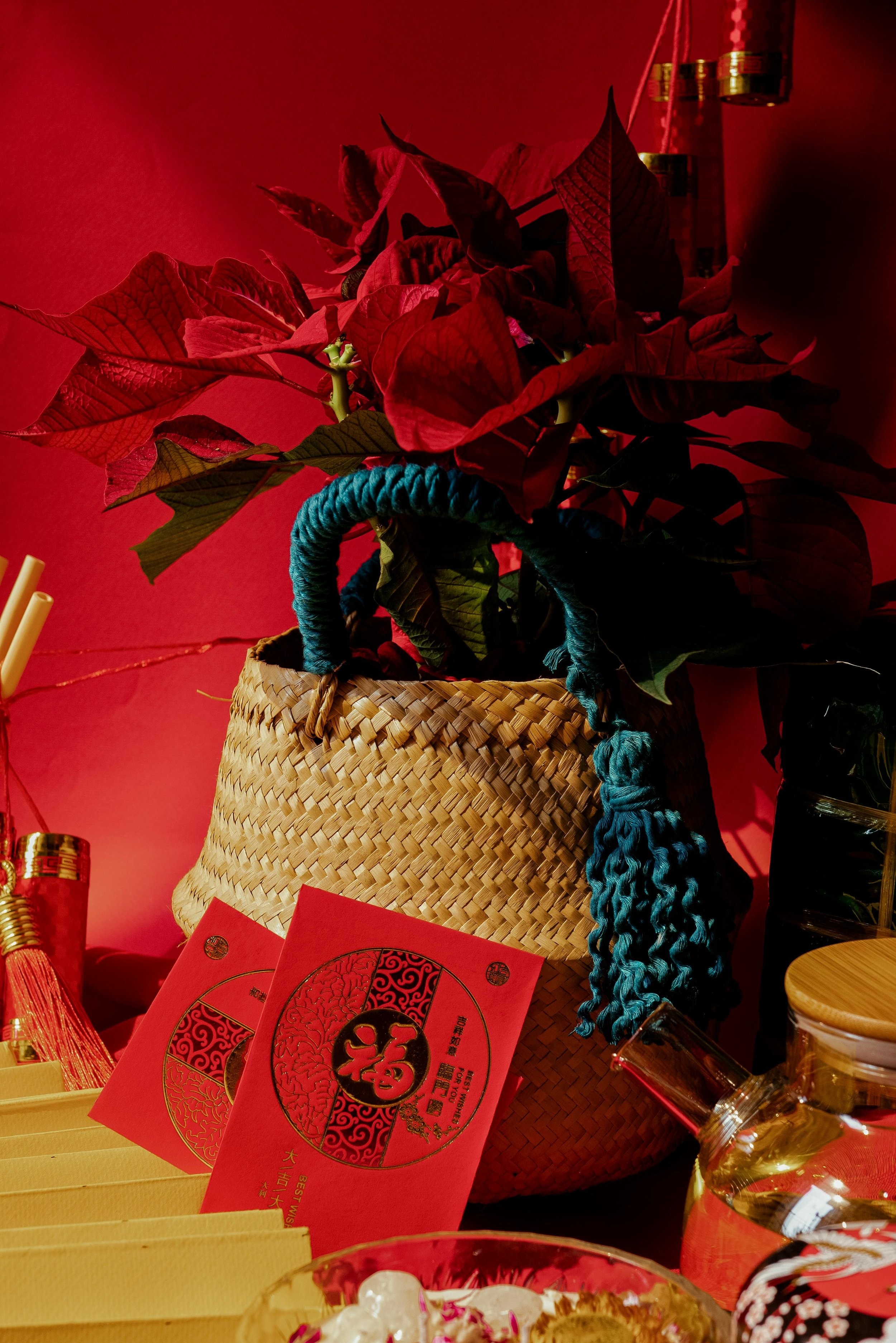
Navigating the Lunar New Year: Mental Health Challenges and Strategies
The Lunar New Year is traditionally a time of joy, rich with celebrations, red envelopes, gifts, and quality family time. However, for many people, it can also be a season of anxiety, disappointment, or loneliness. Whether it's the loss of a loved one, strained family relationships, financial pressures, or isolation, the challenges of this festive period can be overwhelming. These difficulties are often compounded by cultural expectations and the pressure to uphold traditions.
The Lunar New Year is traditionally a time of joy, rich with celebrations, red envelopes, gifts, and quality family time. However, for many people, it can also be a season of anxiety, disappointment, or loneliness. Whether it's the loss of a loved one, strained family relationships, financial pressures, or isolation, the challenges of this festive period can be overwhelming. These difficulties are often compounded by cultural expectations and the pressure to uphold traditions.
Common Challenges During the Lunar New Year
Family Pressures and Awkward Questions
For some, the Lunar New Year means navigating uncomfortable family dynamics. Relatives might make comments about career choices, relationship status, or life achievements. While these remarks are often well-meaning, they can feel more like critiques, triggering self-doubt and stress. Imagine sitting at the dinner table, surrounded by the comforting aromas of traditional dishes, only to be met with questions like, "When will you find someone?" or comparisons to more "successful" relatives. These situations are all too common and can be emotionally draining.
Cultural and Generational Divides
The holiday often highlights the generational gap in families, with some family members striving to balance authenticity with respect for cultural values. This divide can leave many feeling misunderstood, even in the company of loved ones.
Loneliness and Social Isolation
For those who are alone or separated from family due to distance or strained relationships, the Lunar New Year can be particularly isolating. Social isolation often exacerbates feelings of emptiness, sadness, and shame.
Strategies for Managing Lunar New Year Stress
1. Get Support
Seeking support during the Lunar New Year is crucial. Isolation can magnify negative thoughts and emotions, but connection—whether with friends, empathetic family members, or loved ones—can provide a sense of belonging. Sharing feelings or simply being around positive influences helps to ease loneliness and offers a fresh perspective. Remember, reaching out is a sign of strength, not weakness.
2. Practice Mindfulness Techniques
Simple grounding methods can help you manage stress and anxiety. Whether it’s taking a few deep breaths, focusing on the texture of your clothing, or tuning in to the sounds around you, these little actions can help you feel more present and less frazzled—especially when Aunt Linda’s 15th question about your love life makes you want to disappear under the dining table.
3. Plan Ahead
Creating a flexible plan for the holiday can help you navigate family interactions more comfortably. Decide how long you’ll stay at gatherings, and plan for breaks if needed. Communicating your intentions—such as leaving after dinner—manages expectations and reduces stress. Preparing responses to anticipated questions or having an exit strategy, like driving yourself, empowers you to handle the day on your terms.
4. Embrace Self-Care
Self-care is vital before, during, and after the Lunar New Year. Prioritise activities that bring peace and joy, such as reading, yoga, or nature walks. This preparation helps you face family dynamics with resilience. After the celebrations, take time to decompress through journaling, meditation, or quiet reflection. Remember, self-care isn’t selfish; it’s your secret weapon for staying sane.
5. Reconstruct Your Meaning of Festivity
Instead of striving for a perfect holiday, focus on what brings you joy. Create new traditions that align with your values and preferences. If you’re alone, plan a day for self-care, indulge in hobbies, or connect virtually with loved ones. Consider hosting or joining a Lunar New Year celebration with friends who are also alone. And if you’re feeling pressured to attend family gatherings, remember—it’s okay to say no. Setting boundaries doesn’t make you a bad person; it just means you’re putting your well-being first.
6. Cultivate Gratitude
Gratitude can transform your perspective, even during challenging times. Acknowledge the positives in your life, whether it’s supportive friends, meaningful work, or cherished hobbies. Keeping a gratitude journal helps you focus on blessings and fosters a sense of contentment.
Recognising When to Seek Help
The holiday blues are often temporary, but if feelings of sadness or anxiety persist, it may indicate a deeper issue. Symptoms like fatigue, irritability, and loss of interest in enjoyable activities can be signs of depression or anxiety. Don’t hesitate to reach out to a mental health professional for support. Seeking help is a proactive step toward well-being.
Final Thoughts
The Lunar New Year is a time of reflection, celebration, and connection, but it can also bring challenges. By seeking support, practising grounding techniques, planning ahead, embracing self-care, and reconstructing traditions, you can navigate this season with resilience and grace. Remember, you are not alone in your feelings, and it’s okay to prioritise your mental health. Being alone during the holiday doesn’t have to feel lonely—it can be a choice, a chance to recharge and reflect.
This list of tips isn’t exhaustive—there are plenty more strategies out there to help make the Lunar New Year meaningful on your own terms. So, here’s to celebrating not just our cultural heritage but also our commitment to self-care and well-being. And if all else fails, there’s always the excuse of "digestive issues" to make an early exit. Cheers to that!
Want more personalised support?